


02 Feb How the Moon Decides Your Surf: Neap Tide, Extreme Tides and the Real Surfing Windows
Most surfers check the swell, glance at the wind, and hope for the best. A smaller group checks the tide. Very few stop to consider the quiet conductor behind it all: the moon.
If you have ever paddled out on a day that looked perfect on paper but surfed strangely flat, rushed, or unpredictable, chances are the moon had something to do with it. Understanding how the moon shapes neap tides and extreme tides does not make you mystical. It makes you practical. And it opens up surfing windows most people never notice.
This is not about memorizing tide charts. It is about learning why certain days feel easy, why others feel chaotic, and how to plan your sessions like someone who has spent years paying attention.
The Moon Is the Hidden Architect of Your Surf
The moon controls the tides through gravity. That part is basic science. What is less discussed is how different lunar phases quietly change the behavior of waves, currents, and timing at the same break.
Every surf spot has preferred tide ranges. But the moon determines how fast the tide moves, how extreme it gets, and how long those usable windows actually last.
This is where neap tides and extreme tides come in.
What Are Neap Tides and Why Do Surfers Love Them?
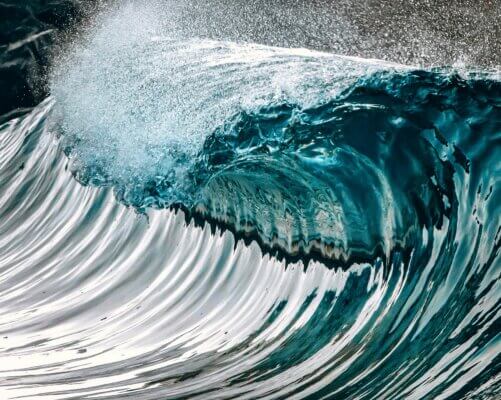
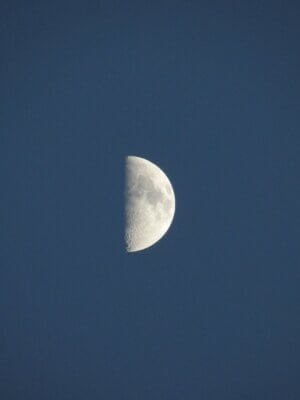
Neap tides happen when the sun and moon sit at right angles to each other, during the first and third quarter moon. The result is smaller tidal movement.
For surfers, this often means:
- Slower tidal shifts
- Longer periods where the tide sits in a usable range
- More predictable wave behavior
- Less dramatic current changes
Neap tides are forgiving. They tend to reward consistency over urgency.
This is why many beginner and intermediate surfers unknowingly have their best sessions during neap tide windows. The ocean gives you time to read, adjust, and relax into the rhythm.
At reef and point breaks common around Bali, neap tides can stretch good conditions across multiple hours instead of narrow peaks. This is part of why structured surf environments like Wave House naturally feel calmer and more productive during certain weeks. The ocean itself is cooperating.
Extreme Tides: Powerful, Precise and Unforgiving
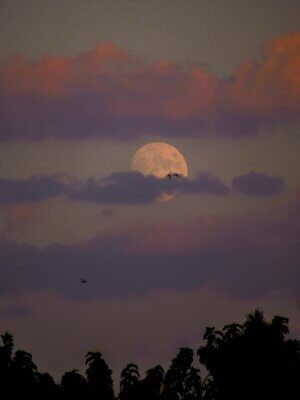
Extreme tides occur during new and full moons when the sun and moon align. These create larger tidal ranges with faster movement.
Extreme tides are not bad. They are specific.
They bring:
- Faster tide swings
- Shorter but sharper surfing windows
- Stronger water movement
- Clearer rewards for good timing
On extreme tide days, the difference between an average session and an excellent one can be less than an hour.
Many surfers paddle out too early or too late and leave confused. The waves were there, but not when they were.
This is where experienced surf camps quietly shine. Coaches and hosts who understand lunar-driven timing help guests surf the right hour, not just the right day. At places like Wave House Bali (Canggu & Uluwatu), sessions are shaped around these windows rather than forcing surfers into fixed schedules.
The Real Surfing Windows Most People Miss
Here is the part rarely explained clearly.
Surf quality is not just about high tide or low tide. It is about rate of change.
Think of the tide like breathing. Neap tides breathe slowly. Extreme tides breathe fast.
The most surfable moments often happen when the tide slows down near a turn, even briefly. During neap tides, this pause can last a long time. During extreme tides, it might last 20 minutes.
Surfers who only think in terms of tide height miss this entirely. Surfers who think in terms of lunar rhythm start to surf smarter.
This is why two days with identical swell and wind can feel completely different. The moon changed the tempo.
A Simple Framework for Surfing With the Moon
Instead of memorizing charts, try this mental model.
Neap Tide Days
- Ideal for longer sessions
- Great for progression and experimentation
- More forgiving positioning
- Excellent for unfamiliar breaks
Extreme Tide Days
- Best for short, intentional sessions
- Requires better timing and awareness
- Rewards preparation over spontaneity
- Perfect when guided by local knowledge
This framework works whether you are surfing beach breaks, reefs, or points across Asia and beyond.
Why This Matters More When You Travel
When you surf at home, you slowly absorb these patterns without realizing it. When you travel, especially to places like Bali, that intuition resets.
This is where many surf trips underdeliver. Not because the waves are bad, but because timing is off.
Surf camps that understand lunar influence do not just schedule sessions. They design days around energy, rest, tide flow, and recovery. Wave House does this subtly. Guests often report feeling less rushed, more present, and strangely more confident in the water. That is not accidental.
The moon creates the structure. Good hosts know how to work within it.
Actionable Takeaways You Can Use Immediately
Before your next surf trip or session:
- Check the moon phase, not just the tide height
- On neap tides, surf longer and stay curious
- On extreme tides, surf shorter and sharper
- Aim for tide turns rather than fixed times
- Adjust expectations based on lunar rhythm
You do not need to surf more. You need to surf at the right moments.
Closing: Surfing Is a Relationship, Not a Battle
The moon does not care about your forecast app. It moves water on its own schedule, quietly shaping your sessions whether you notice or not.
Surfers who learn to work with that rhythm stop feeling unlucky. They start feeling aligned.
And that is often the difference between chasing waves and letting great sessions come to you.