
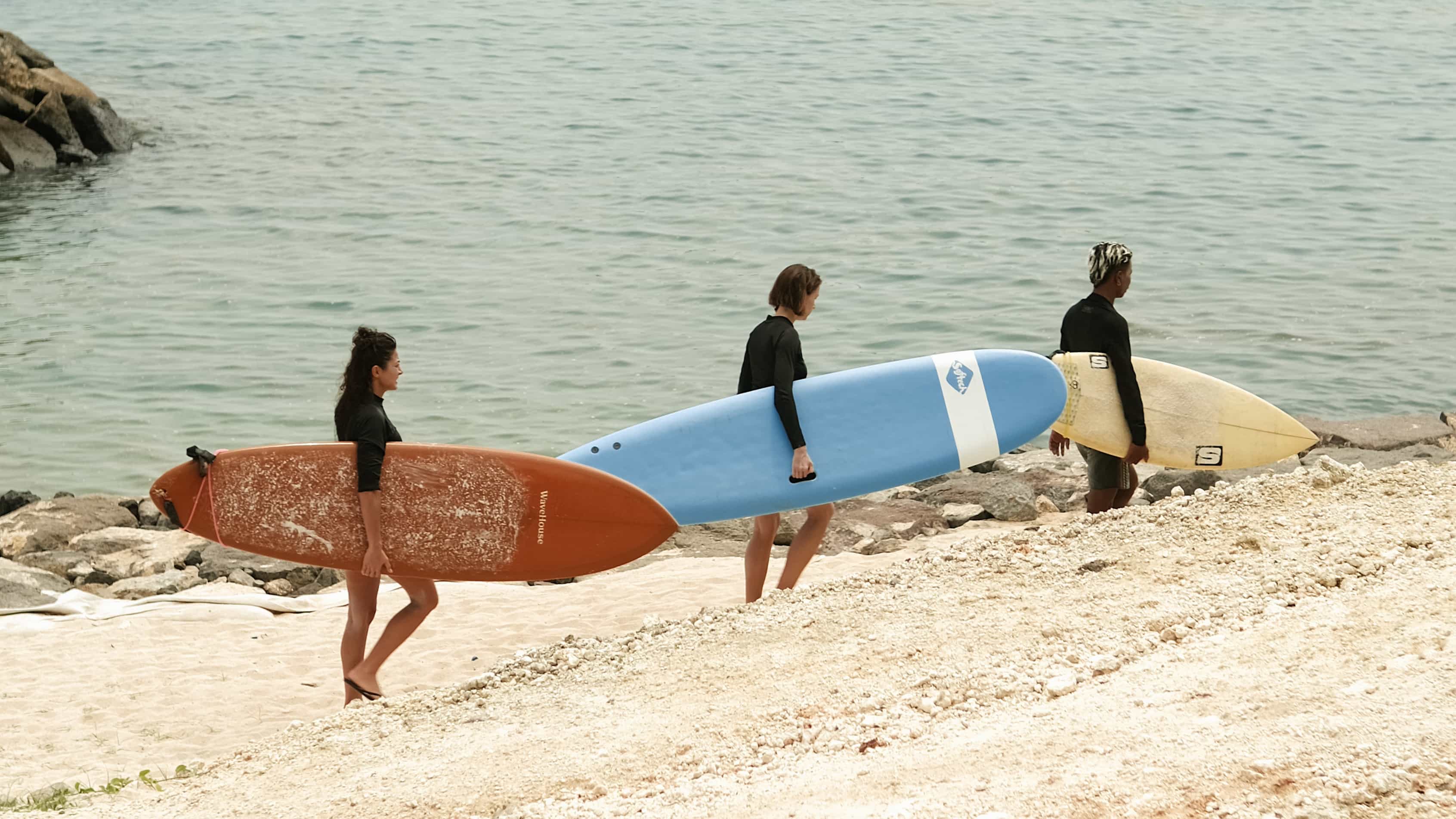
There's a reason the fittest person at the gym isn't always the best surfer in the water, and the best surfer in the water isn't always the fittest person at the gym. Surfing uses your body in ways that almost nothing else does: explosive bursts of paddling, a split-second pop-up, hours of subtle balance, and a strange amount of shoulder and hip mobility that most training programs completely ignore.
The good news is that you don't need to become a different person to surf better. You need surf-specific training, the right exercises, the right mobility work, and the habits that support all of it. This guide is your map to that whole picture, with links to deeper dives on each piece.
Why Surf Fitness Is Different
Most sports are repetitive: the same movement, over and over, under similar conditions. Surfing is the opposite. One wave might demand an explosive sprint-paddle and pop-up, the next might require ten minutes of patient, low-effort floating, followed by a sudden duck dive under a wave that has other plans for your day. This mix of long aerobic paddling, short anaerobic bursts, rotational power, and balance under unstable conditions is what makes "surf fitness" its own category, rather than just general fitness.
That's why a generic gym routine, while better than nothing, will only get you so far. The exercises that actually move the needle target the muscles and movement patterns surfing relies on most: shoulders, lats and upper back for paddling, hip flexors and obliques for the pop-up and turns, and the small stabiliser muscles around your ankles, knees and core for balance.
The Three Pillars of Surf Training
1. Surf-Specific Strength & Conditioning
This is the gym (or living room floor) side of things: exercises that directly translate to paddling endurance, pop-up power, and the explosive strength needed to catch waves before they pass you by. Our guide on surf-specific workouts breaks down exactly which exercises matter most, how to structure a session, and how to build a simple routine you can do at home with little or no equipment.
2. Mobility & Yoga
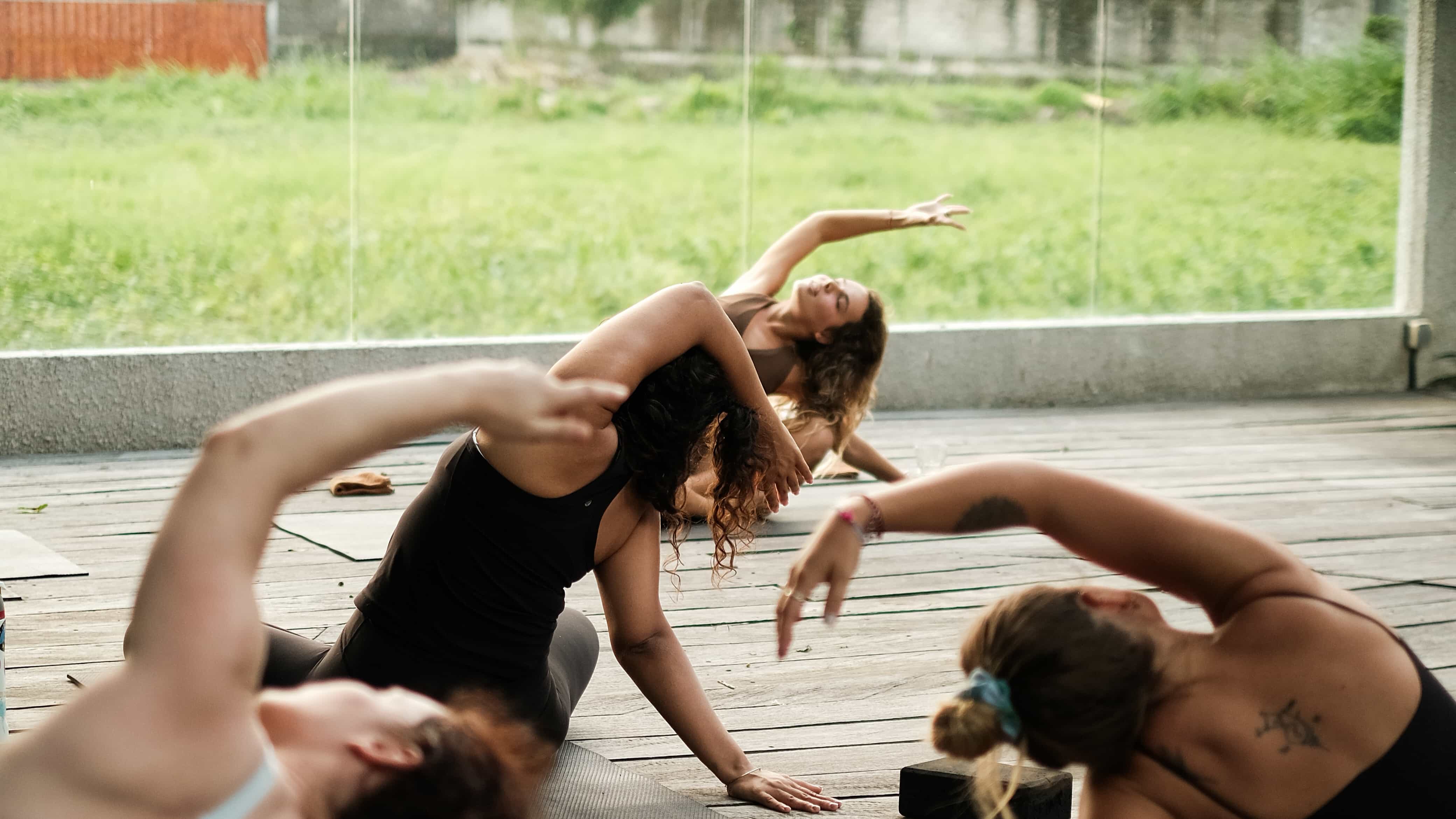
Surfing asks your shoulders, hips, spine and ankles to move through ranges most people never use in daily life, deep rotation for turns, hyperextension for the pop-up arch, and ankle flexibility for a stable stance. Yoga is one of the most efficient ways to build and maintain this kind of mobility, while also training the balance and breath control that translate directly to time in the water. Our guide on yoga for surfers walks through the poses that matter most and a simple daily routine.
3. Recovery, Nutrition & Lifestyle
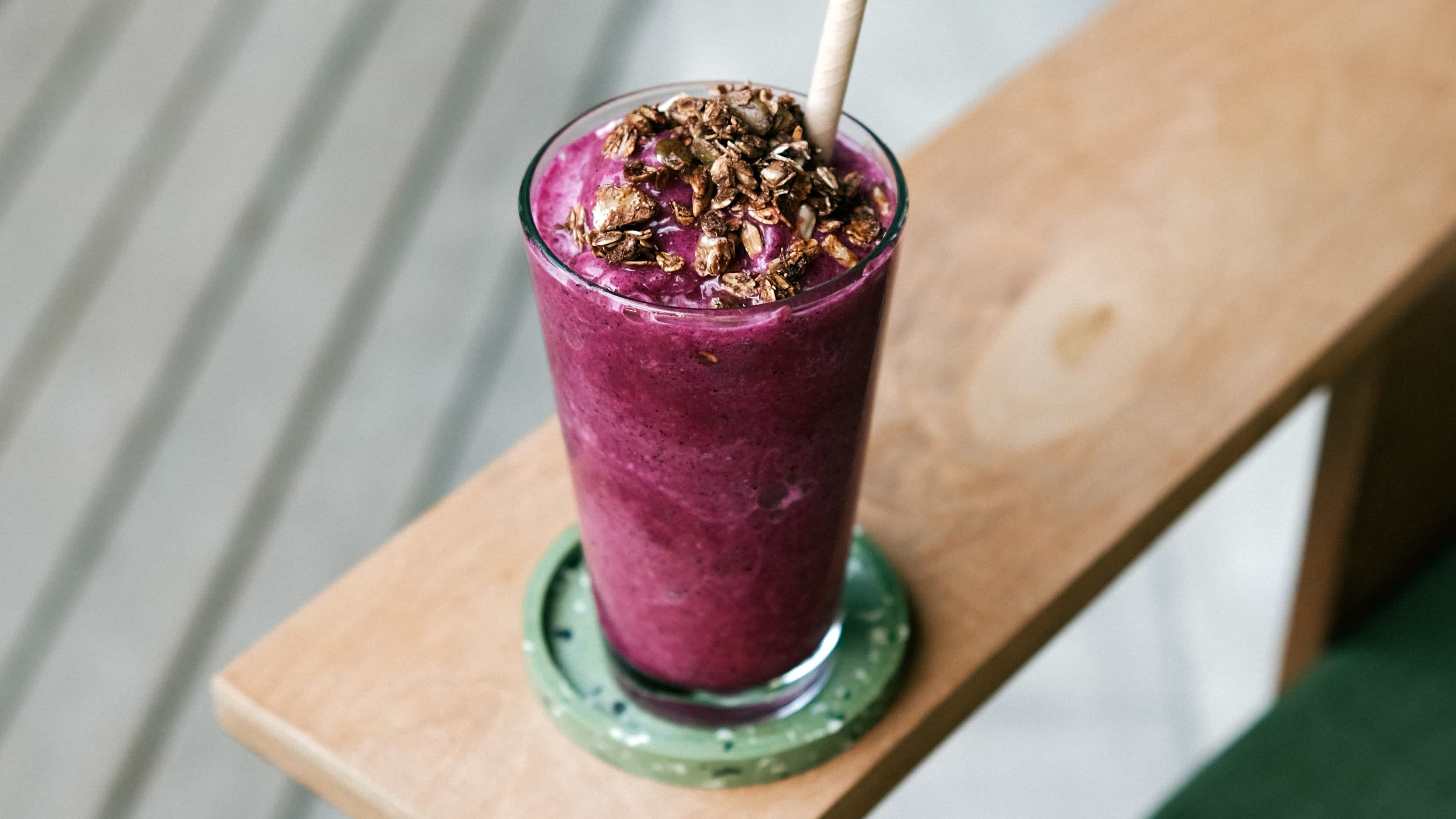
Training without recovery is just slow-motion injury. What you eat before and after a session affects everything from your paddling power to how sore you are the next morning, and the small daily habits around sleep, hydration and recovery quietly determine how much of your training actually "sticks". Our guides on surfer's nutrition and the surfer lifestyle cover both sides of this.
How to Put This Together: A Simple Weekly Structure
You don't need to do everything every day. A simple, sustainable structure for most surfers looks something like:
- 2-3x per week: Surf-specific strength training (paddle power, pop-up strength, core)
- Daily (10-15 mins): Mobility or yoga, especially on non-surf days or after long sessions
- Every session: Pay attention to pre- and post-surf nutrition, even small changes here add up fast
- Ongoing: Sleep, hydration and recovery habits that support all of the above
The goal isn't to turn surfing into a second job. It's to make sure that when a good swell shows up, your body says yes instead of "let's sit this one out".
Training Alone vs Training in the Water
Here's the honest truth: all the training in the world is a supplement, not a substitute, for time in the water with good coaching. Strength and mobility work will make your sessions more productive and reduce how often you're sidelined by soreness or small injuries, but technique improvements still come from waves, repetition, and feedback.
This is where Surf Camp in Canggu ties everything together. Daily surf sessions are paired with the kind of structured progression, and the recovery time, food and rhythm, that turns "I trained for surfing" into "I can actually feel the difference in the water". Whether you're building strength at home before your trip or looking to make the most of your time once you're here, this guide (and its companion articles) is designed to support that whole journey.