
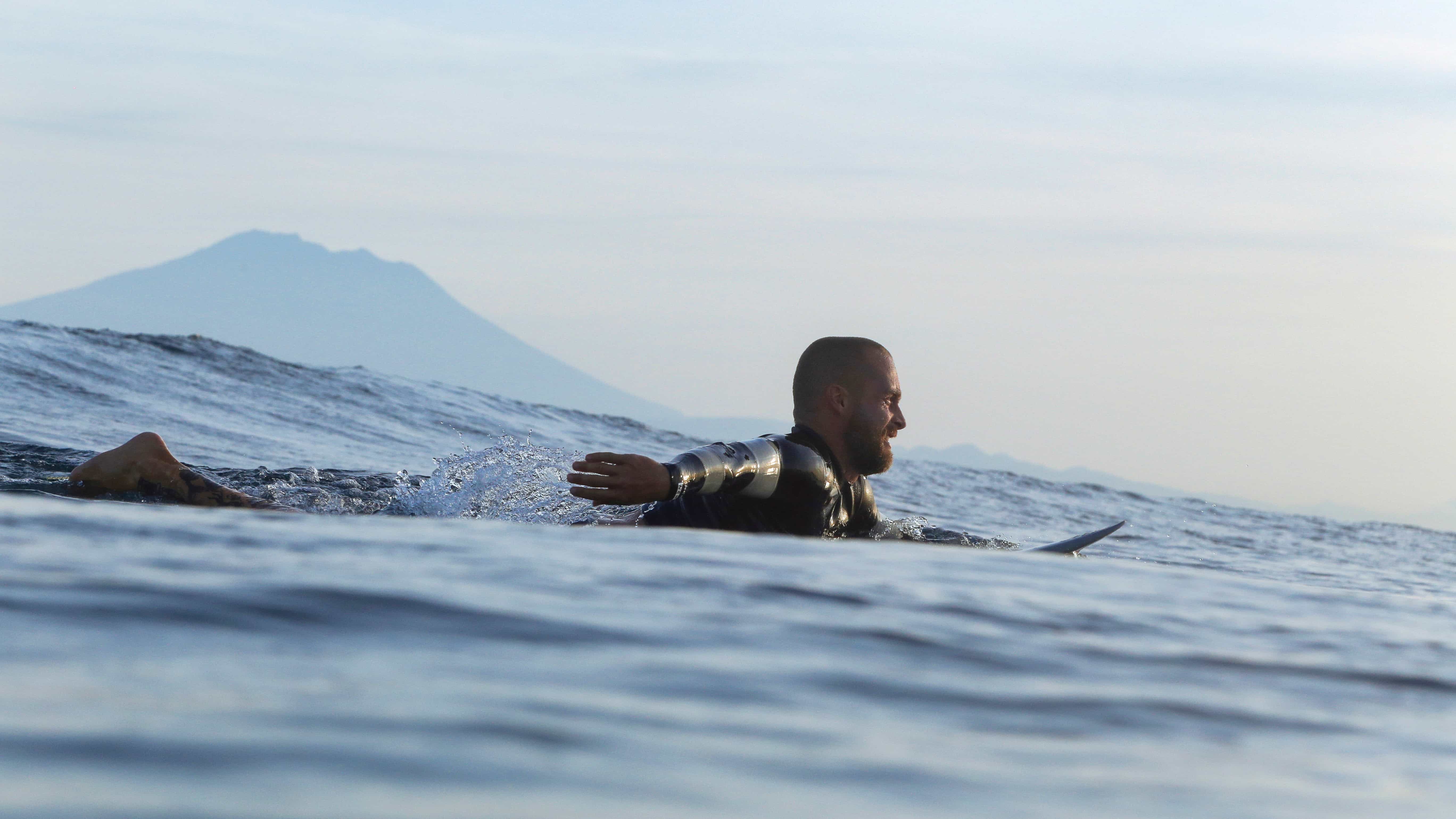
Yes, surfing takes effort and practice, especially paddling, reading conditions and standing on a moving board. That does not mean you need to be an athlete to start. A suitable board, manageable waves and coaching make the first steps more approachable. Progress varies; standing up in the first lesson is not a guarantee.
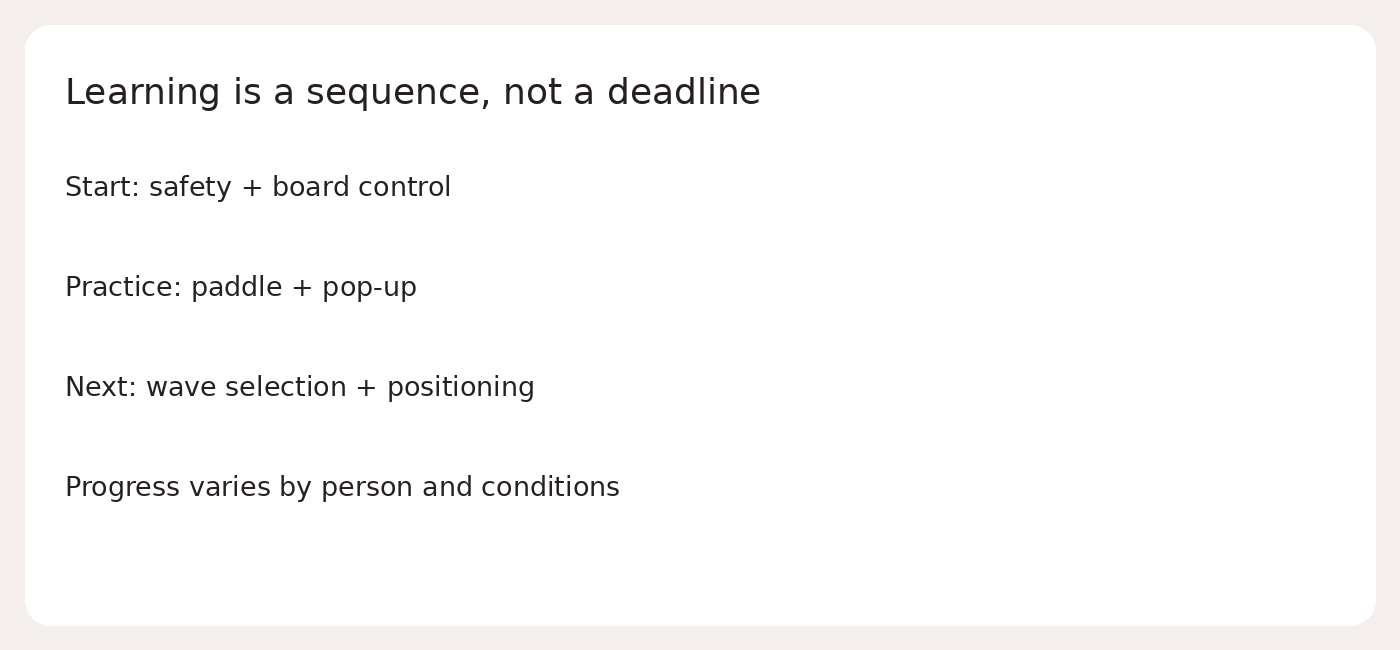
Short answer
- The ocean and paddling are often harder than beginners expect.
- A suitable soft-top and supervised whitewater make the first steps more manageable.
- Coaching helps you choose conditions and get feedback, but does not guarantee a timeline.
The hard parts
Paddling takes effort
Repeated paddling uses the upper body and can tire you quickly. Rest before fatigue affects control. Do not use a promised number of sessions as a fitness deadline; your starting strength, technique and time in the water differ from other surfers.
Reading the ocean
Waves, currents and water level change. Learning to choose a wave and knowing when not to paddle out are part of surfing. Start with a Canggu spot suited to your level and a coach who checks the day's conditions.
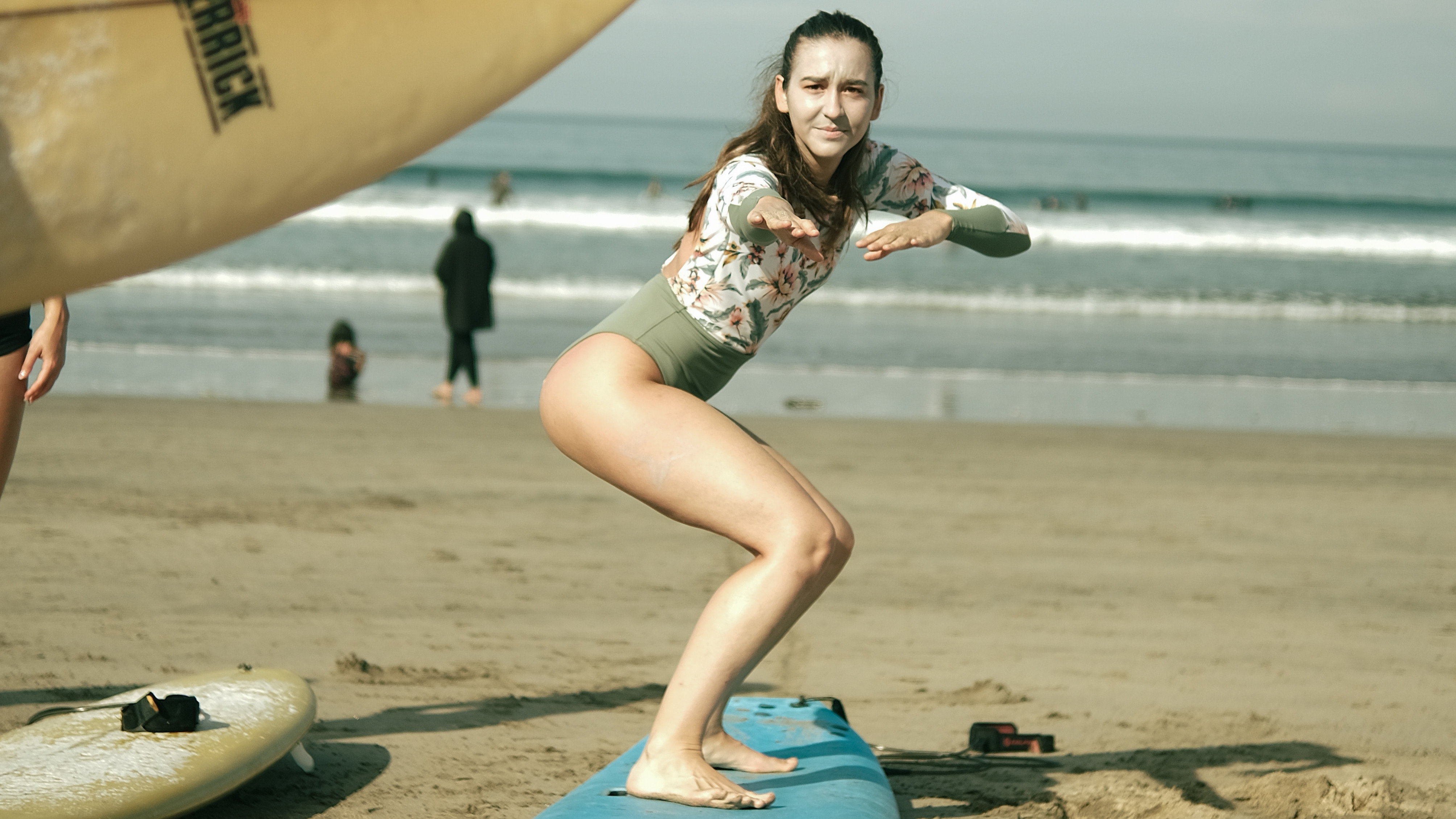
The pop-up takes practice
Moving from prone to a balanced stance on a moving board is a new skill. Practice the sequence on land with feedback, then on appropriate waves. Read how to pop up for the steps and timing context.
The parts that are more approachable
You do not need competitive-level fitness to try a beginner lesson. A wide soft-top helps with flotation and stability, and whitewater lets you work on basics before unbroken waves. You still need enough water confidence and energy for the session. Be honest about your swimming and health with the provider.
What to expect in your first lesson
WaveHouse's pages describe land-based surf theory, a board matched to your level, in-water coaching and video analysis. Beginners use soft-top longboards and small groups. The exact sequence depends on the session and conditions, so no generic warm-up-to-whitewater timetable is presented as a guaranteed WaveHouse itinerary.
How hard is surfing at each stage?
Is surfing right for you?
WaveHouse states that stays and the surf camp program are for ages 18 and over; younger guests may take private lessons but cannot stay at the camp. Tell the team if you are not confident swimming, have an injury or a medical condition. The exact swimming requirement should be confirmed directly before booking. A board and leash are not substitutes for water confidence or safe supervision.
Safety basics
- Learn about rip currents and the session's entry and exit.
- Ask about reef and shallow water before entering.
- Use sun protection and stop when tired.
For preparation, read beginner surf tips and the equipment checklist.
Frequently asked questions
What is the hardest part of learning to surf?
For many beginners, the challenge is combining paddling, wave timing and the pop-up while the board moves. Ocean judgment is another skill, not just a fitness problem. Start in manageable conditions with a suitable board and coaching. The hardest part for you may differ depending on water confidence and experience.
Can you learn to surf in a week?
A week can give you useful practice and feedback, but it does not guarantee a particular skill level. Some beginners learn basic whitewater rides quickly, while unbroken waves and consistent control take longer. Conditions, water confidence, fitness and coaching all affect progress. Choose a program by starting level, not a promised result.
Is surfing hard if I am not a strong swimmer?
Low swimming confidence makes ocean surfing more demanding and can increase risk. Tell the school before booking and ask about its swimming requirement and suitable starting conditions. A surfboard or leash does not replace swimming ability or supervision. Work on water confidence first if the provider says you are not ready.
Is surfing hard on your body?
Paddling, repeated pop-ups and falls can be tiring, especially when the movements are new. Keep sessions within your ability, rest when tired and tell your coach about injuries. Persistent or unusual pain needs medical advice. Progress should not depend on pushing through pain or comparing your fitness with another surfer.
Plan your next session
Explore WaveHouse packages or surf lessons in Canggu. Ask the team to match your level and dates with the right option.
Updated 13 October 2026.