
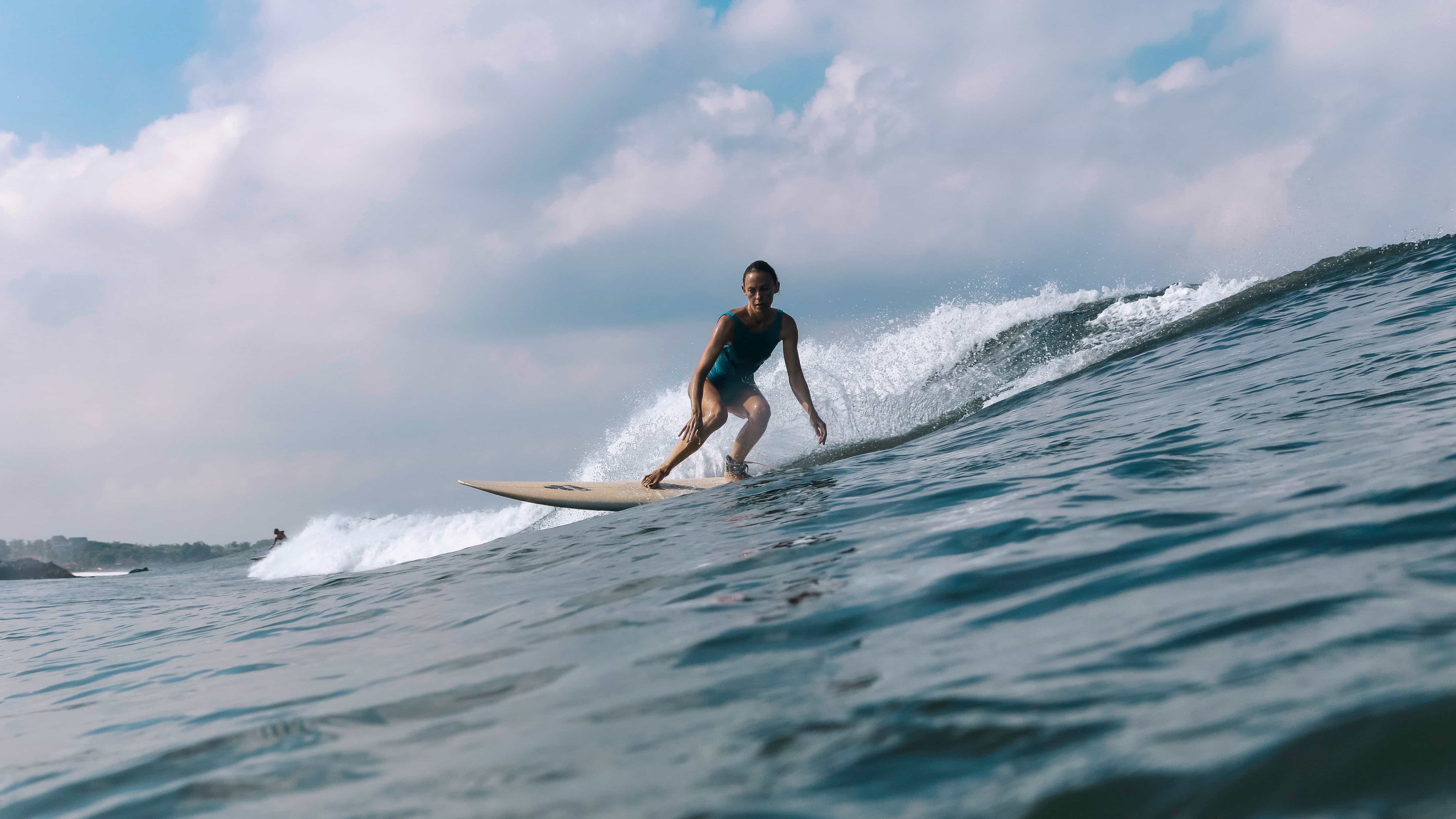
"How long does it take to learn to surf?" is one of those questions with an answer that's both reassuring and slightly annoying: it depends. But it depends on fewer things than you might think, and there's a fairly predictable timeline that most beginners follow. Here's a realistic, no-fluff breakdown of what learning to surf actually looks like, session by session.
Session One: Whitewater and Wobbles
On your first day, the goal isn't to ride a "real" wave, it's to get comfortable on the board, practice your pop-up on land, and catch your first whitewater waves (the soft, foamy water after a wave has already broken). Most beginners, with guidance, manage to stand up at least a few times on day one, even if it's wobbly and short-lived. This is normal, and honestly, it's the best feeling in the world.
Days Two to Five: Building Consistency
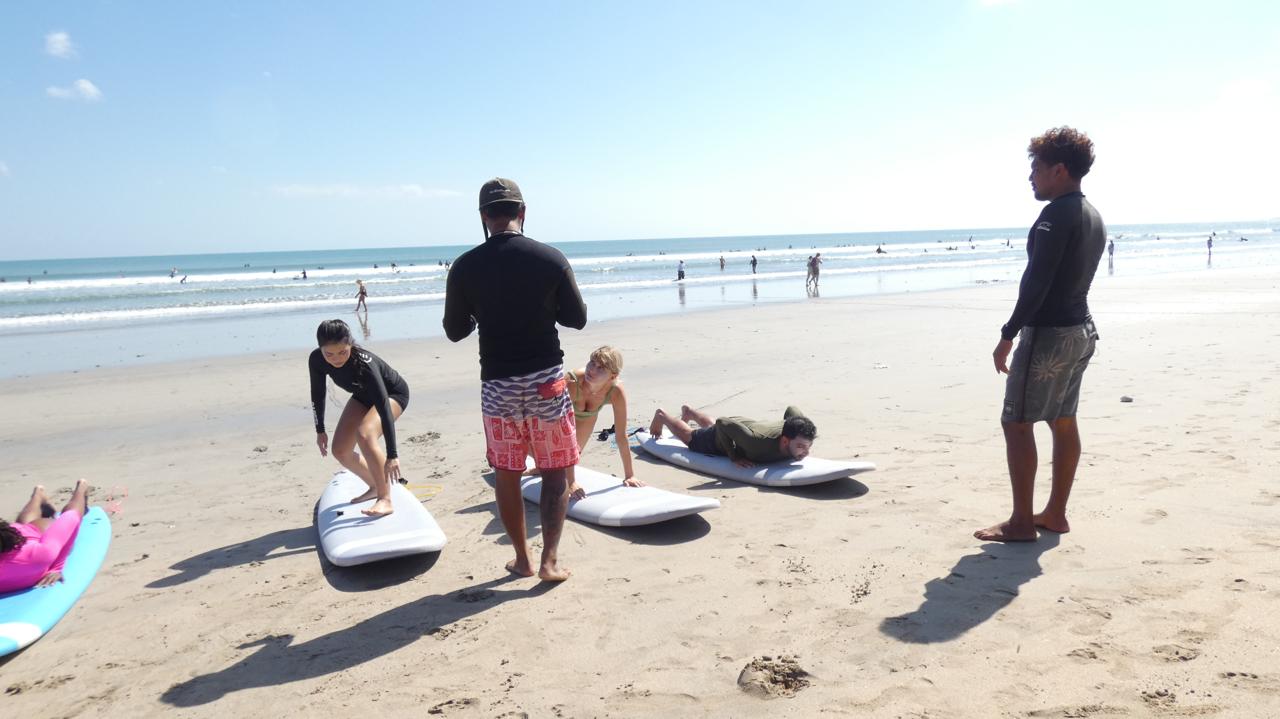
By your second or third session, your paddling endurance starts to improve, your pop-up technique becomes smoother, and you'll likely start standing up more consistently on whitewater. Some surfers begin attempting unbroken (green) waves around this point, depending on conditions and how quickly they're progressing.
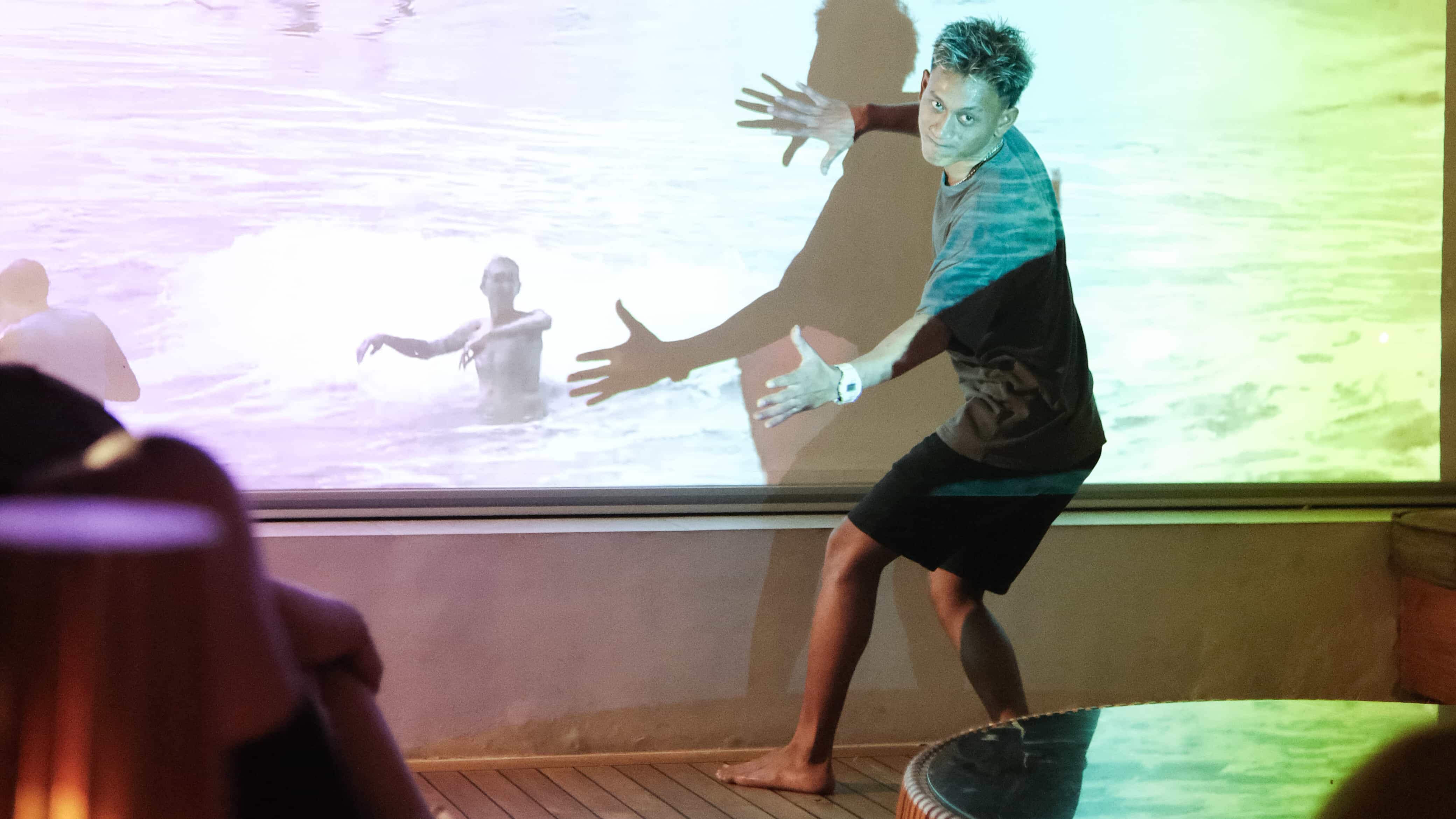
This is also when small technical details start to matter more, things like where you're looking, how you're distributing your weight, and timing your paddle into the wave. This is exactly why video analysis is so useful, it's hard to fix what you can't see.
One Week In: Riding Green Waves
After about a week of daily or near-daily sessions, most beginners are riding small, unbroken waves with some consistency, even if rides are still short. You'll start to feel the difference between catching a wave by luck and catching it because you read it correctly.
One Month In: Turning and Reading the Lineup
With around two to four weeks of regular surfing, most surfers start linking small turns, riding both left and right, and developing a basic sense of where to sit in the lineup. This is also roughly when surfers start thinking about transitioning from a big foam board to something slightly smaller.
Three to Six Months: Independence
This is the stage where many surfers start to feel like, well, surfers. Paddling out unassisted, choosing your own waves, managing the lineup, and riding with some style rather than just survival. You're still learning (everyone always is), but the fundamentals are no longer something you have to think about consciously.
What Actually Speeds This Up
The timeline above assumes fairly regular practice, and a few things make a measurable difference:
- Consistency: Five sessions in five days will teach you more than five sessions spread over five months, simply because your body doesn't have time to forget what it just learned.
- The right board: A board with too little volume for your level will slow you down dramatically. Matching your board to your body type and skill level matters more than most beginners realise.
- Feedback: Knowing why something didn't work is far more useful than just knowing that it didn't work. This is where coaching and video analysis compress weeks of trial and error into days.
- Conditions: Learning in gentle, consistent, beginner-friendly waves (like much of Bali's west coast during dry season) is simply faster than learning in inconsistent or heavy conditions.
Master Your Surfing Game with Wave House
Most people can stand up and ride whitewater on day one, ride small green waves within a week of regular practice, and feel reasonably independent within a few months. But "learning to surf" never really finishes, it just gets more interesting. There's always a slightly bigger wave, a slightly better turn, or a slightly trickier reef break waiting.
If you're just getting started, our complete step-by-step guide to surfing for beginners is the perfect companion to this timeline. And if you want to compress that learning curve as much as possible, with daily coaching, video feedback, and waves matched to your level, our Surf Camp in Canggu are built to do exactly that.